
Roger Canfield -
This is what Ronald Reagan meant by a 'happy warrior'

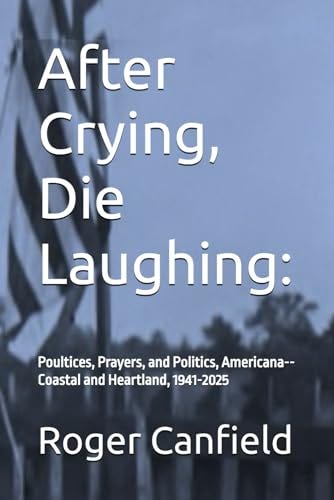
A Life Lived Forward: Roger Canfield’s Die Laughing
There is a particular authority that comes not from theory, but from life lived—worked, endured, argued over, and ultimately understood the hard way. Roger Canfield’s memoir, Die Laughing, draws its quiet strength from precisely this source. It is not the story of a man formed in seminar rooms or ideological salons, but of one shaped by labor, responsibility, conflict, and prolonged exposure to the real consequences of ideas when they are imposed on real people.
Canfield’s working-class background is not a decorative biographical detail; it is the bedrock of his worldview. Know that he is indeed an erudite man, a Claremont Graduate School PhD. and long standing political bulwark based out of Sacramento. But long before he became one of America’s most prolific and persistent critics of collectivist ideology—author of nearly thirty books—he knew the texture of work, the dignity of earning one’s way, and the fragile social trust that holds ordinary communities together. That grounding matters, because Die Laughing is ultimately a memoir about contact with reality: about what survives when abstractions fail.
Throughout the book, Canfield recounts a life marked by wide-ranging real-world experience—entrepreneurship, family life, institutional battles, travel, and direct encounters with political movements that promised justice and delivered decay. These experiences did not push him toward conservatism as a slogan or partisan identity; they pushed him toward conservatism as a conclusion. The conservatism that emerges here is empirical rather than doctrinal: a posture shaped by observing what consistently works, and what reliably breaks human beings and institutions.
This perspective explains Canfield’s long-standing prominence as an author exposing communist ideology not as a historical relic, but as a living, adaptive force in contemporary American culture. Across decades of writing, he has traced how this ideology entered the mainstream not by tanks or coups, but through culture, academia, media, and political activism—often under the softer disguises of compassion, equity, and progress.
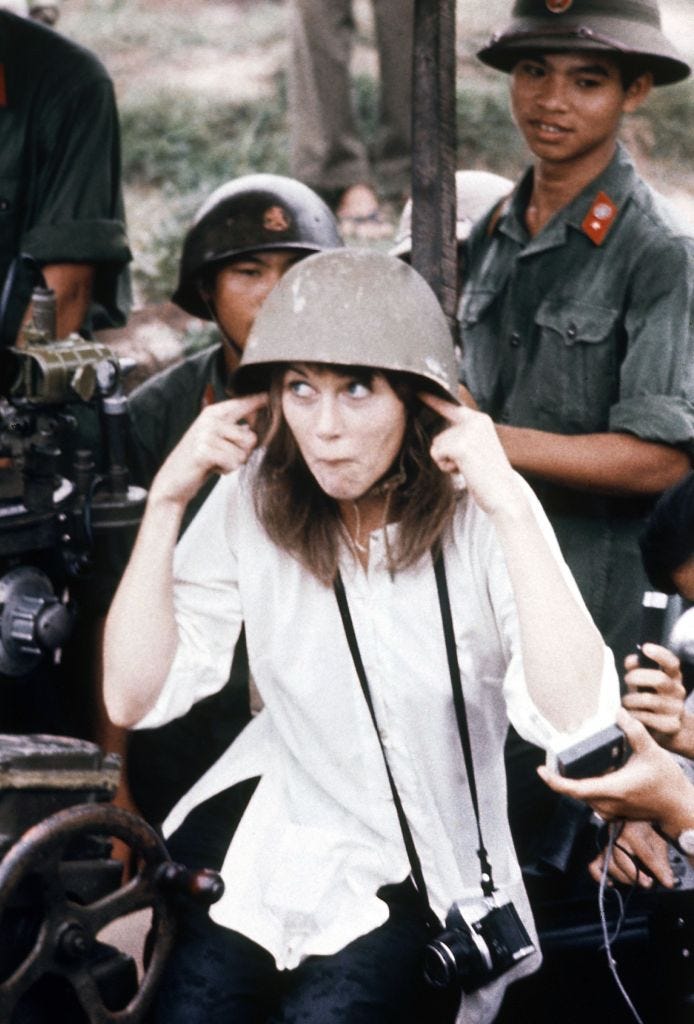
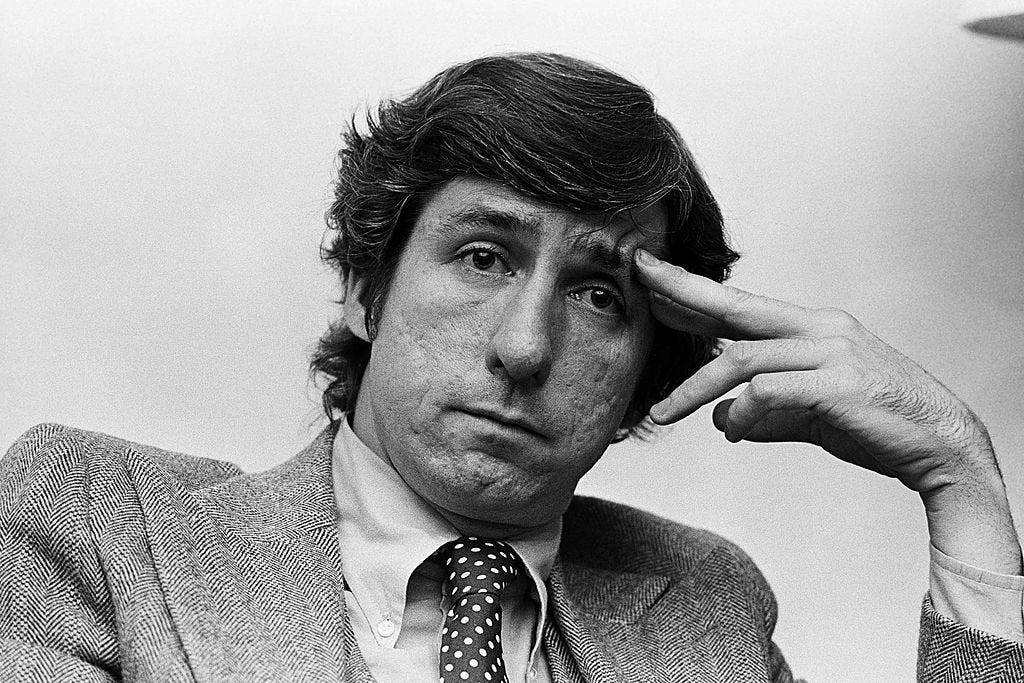
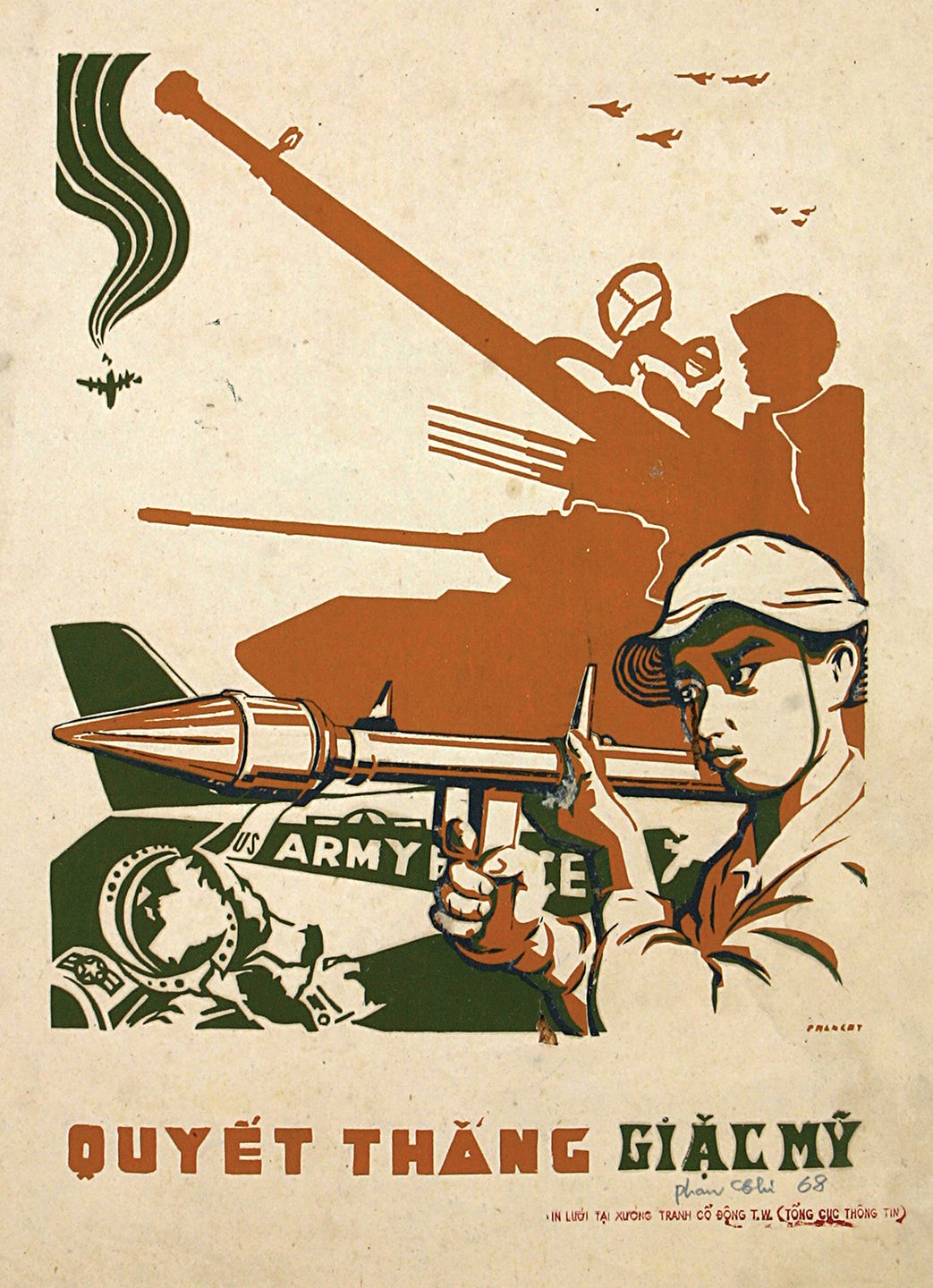
Among Canfield’s most influential work is his meticulous exposure of Jane Fonda and Tom Hayden as not merely misguided protestors, but as willing collaborators in an enemy propaganda effort during the Vietnam War—America-Cong agitators whose actions materially aided a totalitarian regime at war with their own country. Canfield did not treat this as gossip or cultural grievance; he treated it as evidence. He documented how ideological loyalty eclipsed national loyalty, and how celebrity and academic prestige were weaponized to launder totalitarian narratives into American life.
More importantly, his work did not stop with Fonda and Hayden. He followed the trail forward—mapping the network of fellow travelers who carried the same resentments and dogmas into universities, newsrooms, foundations, churches, and political institutions. Again and again, Canfield demonstrated that communism’s enduring appeal lies not in its accuracy, but in its moral shortcuts: it replaces gratitude with grievance, responsibility with blame, and human complexity with rigid, didactic maxims that collapse under contact with reality.
Die Laughing supplies the personal foundation beneath this vast body of work. It makes clear that Canfield’s critique is not animated by bitterness or nostalgia, but by memory and moral accounting. He has seen systems fail people at ground level. He has watched abstraction override humanity. And he has seen how resentment—when elevated to an organizing principle—inevitably turns destructive.
The memoir’s title signals its temperament. Die Laughing is neither a lamentation nor a victory lap. It is a humane book, often quietly funny, marked by perspective rather than outrage. Canfield understands that laughter is not a denial of seriousness, but a refusal to surrender to despair. It is the emotional posture of someone who has outlived illusions without losing affection for people.
Importantly, in this memoir Canfield does not cast himself as infallible. Errors are acknowledged. Lessons are learned rather than preached. This restraint keeps the book from becoming ideological autobiography. Instead, it reads as a record of formation—how a man becomes capable of seeing clearly without becoming hard.
In an age when political writing is increasingly detached from lived experience, Die Laughing feels almost radical in its insistence that ideas must answer to reality. Read on its own, it is an engaging and thoughtful memoir. Read alongside Roger Canfield’s nearly thirty books exposing the corrosive effects of communist ideology in American culture, it becomes something more: the missing key to a lifetime of moral clarity, cultural courage, and intellectual persistence.
It is, finally, a reminder that the strongest arguments are not invented. They are lived.
Just added it to my Kindle. Thank you.